Expressive Arts Therapy Gold Coast – Creative, Trauma‑Informed Support
Eunoia Expressive Arts Therapy provides Expressive Arts Therapy Gold Coast services for children, adolescents and adults seeking creative, relational and nature‑informed therapeutic support. Through art‑making, movement, imagination and reflective processes, individuals are invited to explore emotions, deepen self‑understanding and reconnect with their inner experiences in a gentle, trauma‑informed space.
What is Expressive Arts Therapy
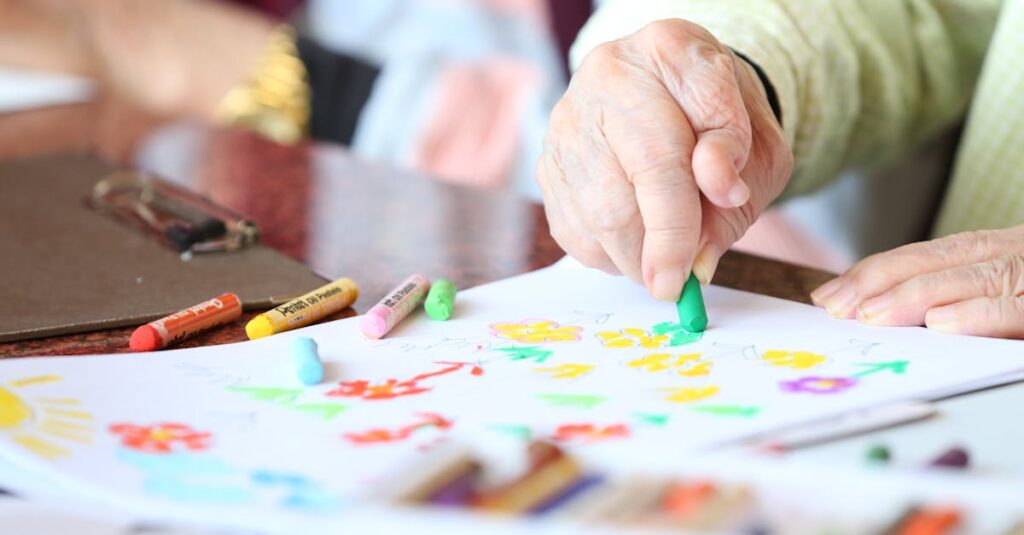
Expressive arts therapy is a creative and holistic form of psychotherapy that uses artistic expression to support emotional exploration, reflection, and personal growth. Rather than focusing on a single art form, this approach invites people to engage with a range of creative modalities such as drawing, painting, movement, music, storytelling, and drama.
Creative activity can offer alternative ways of communicating experiences, emotions, and inner thoughts. Through working with art materials and imaginative expression, individuals may discover new perspectives, deepen self-understanding, and connect with aspects of their inner world that may not be easily accessed through conversation alone.
Because creative expression engages the senses and the body, it can also support emotional regulation and awareness in ways that feel gentle and accessible.
Expressive Arts Therapy on the Gold Coast
Eunoia Expressive Arts Therapy offers expressive arts therapy sessions in Biggera Waters on the Gold Coast, supporting individuals seeking creative approaches to emotional wellbeing. Sessions are available in person and online, providing flexible options for support.
Creative Modalities Used in Expressive Arts Therapy
Expressive arts therapy may involve working with a range of creative modalities that support emotional expression and self-discovery. People may move between different forms of expression during a session, allowing experiences to be explored from different perspectives.
Clients are invited to engage with materials and creative processes in ways that feel safe, meaningful, and responsive to their needs.
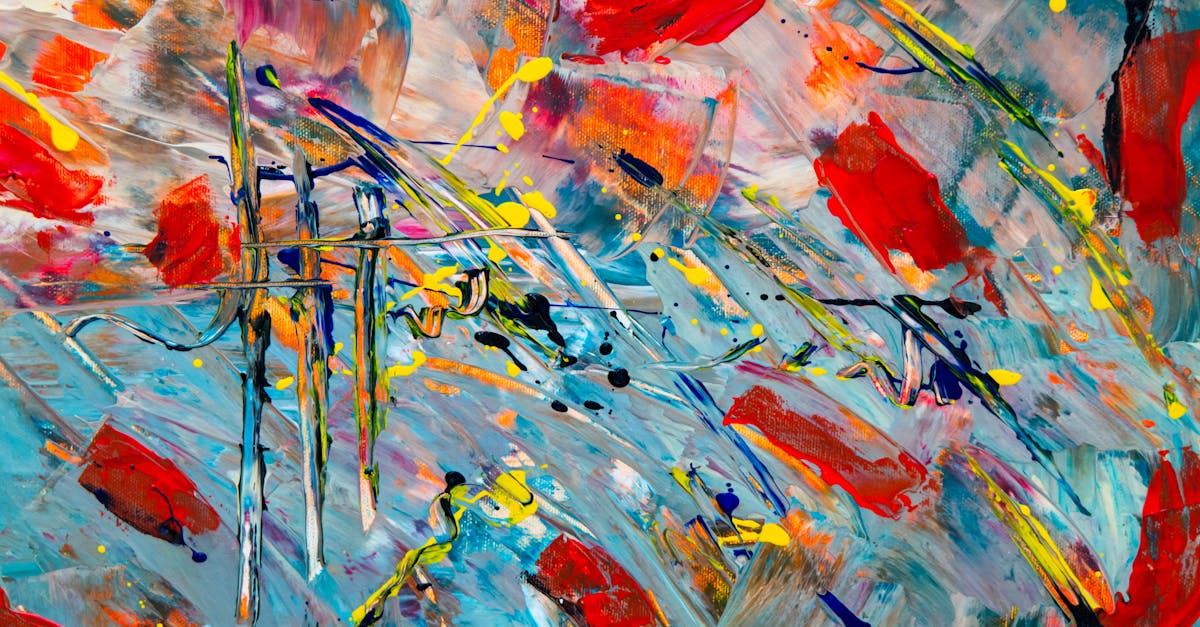
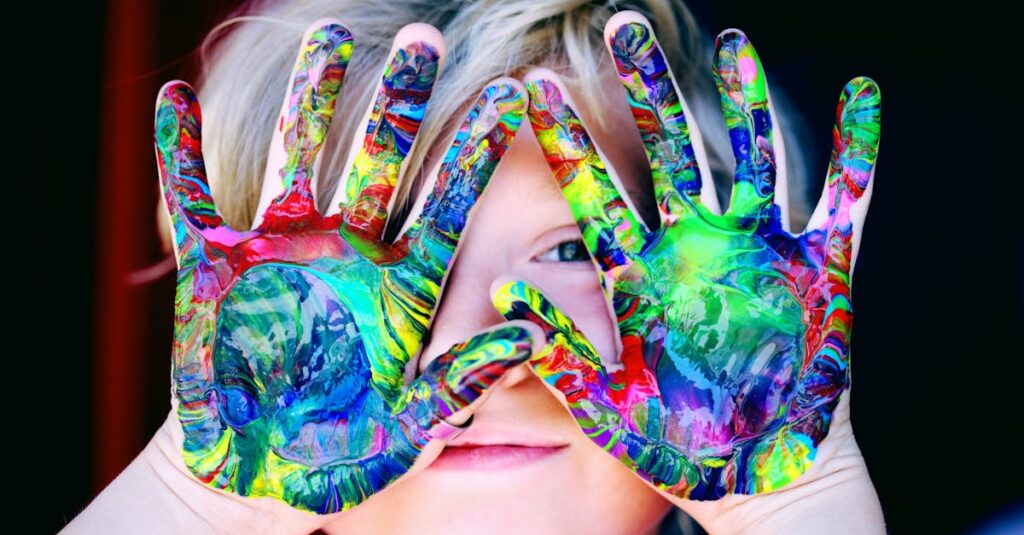
Drawing & Painting
Creative expression through colour, shape, and imagery can help people explore emotions and experiences that may be difficult to express in words.
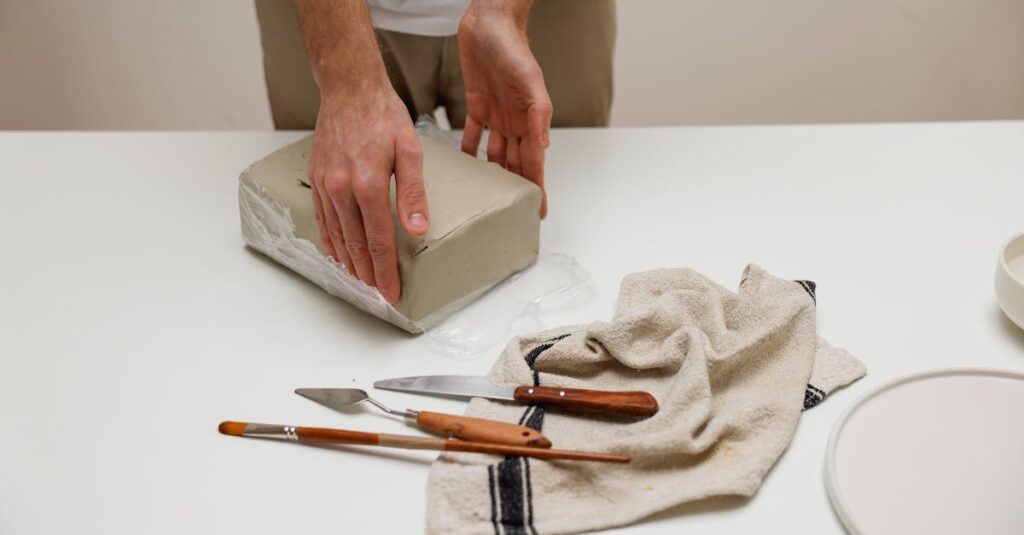
Sculpture & Clay
Working with clay and other materials engages the senses and allows people to physically shape and transform their experiences.
Creative Writing
Writing can help people articulate thoughts, feelings, memories, and personal meaning through language and storytelling.
Movement & Dance
Movement-based expression connects with the body and can support grounding, emotional release, and self-awareness.
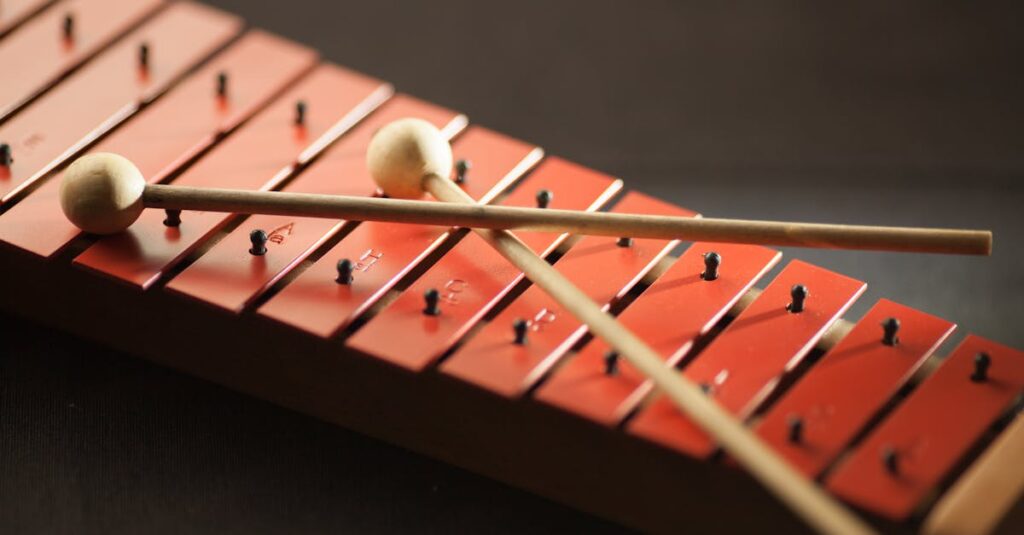
Music & Sound
Music and sound can support emotional expression, rhythm, and connection with internal states.
Drama & Role-Play
Drama and role-play involve imagination, storytelling, and embodied expression, sometimes incorporating puppetry and character work to explore emotions and experiences.
Express emotions that are difficult to put into words
Regulate the nervous system and reduce stress
Explore experiences held in the body and senses
Gain new perspectives on life challenges
Build confidence and personal agency
Reconnect with creativity, play, and vitality
Sessions provide space for individuals to explore creative expression at their own pace within a supportive therapeutic environment.
How Expressive Arts Therapy Works
Expressive arts therapy focuses on the creative process rather than artistic skill or producing a finished artwork. Sessions offer opportunities to explore different forms of creative expression and respond to what emerges through the process.
People may move between creative modalities during a session, allowing experiences to be explored from different perspectives. Images, movement, sound, or storytelling that arise through creative exploration can support reflection and emotional understanding.
Creative expression also engages the senses and the body, helping individuals notice emotions and sensations that may be difficult to access through conversation alone.
Supportive and Individualised Approach
Expressive arts therapy adapts to the needs, interests, and comfort level of each individual. Creative invitations are offered as possibilities rather than expectations, allowing people to engage with the process in ways that feel safe and manageable.
The therapist works alongside the individual with curiosity and respect, supporting exploration at a pace that feels comfortable. This flexible approach encourages self-expression, emotional regulation, and the gradual development of personal insight.
What Happens During a Session
Expressive arts therapy sessions provide a supportive and creative space where thoughts, emotions, and experiences can be explored through conversation and creative expression.
1. Beginning with Conversation
Sessions usually begin with a gentle conversation about what is present or meaningful in the moment. This helps identify what someone may wish to explore.
2. Creative Invitations
Individuals may be invited to explore creative activities such as drawing, painting, writing, movement, or working with simple art materials. These activities are offered as invitations rather than expectations.
3. Exploring the Creative Process
Creative expression can reveal ideas, feelings, and perspectives that may not easily emerge through conversation alone. Images, movement, sound, or storytelling can become starting points for reflection.
4. Reflecting on Meaning
The focus is not on creating something “good” or artistic, but on curiosity, exploration, and the personal meaning that emerges through the process.
5. Moving at a Comfortable Pace
Sessions move at a pace that respects each person’s comfort and readiness, supporting safety, emotional awareness, and reflection.
Who Can Benefit
Expressive arts therapy can support people across different life stages and experiences. It may be helpful for those navigating anxiety, grief, emotional stress, life transitions, or periods of uncertainty, as well as individuals seeking a more creative and reflective therapeutic approach.
Because the approach integrates sensory, imaginative, and reflective processes, it can also support individuals who feel more comfortable communicating through creative expression rather than conversation alone.
Creative expression can offer a gentle pathway for exploring emotions, making meaning of experiences, and reconnecting with a sense of vitality and personal insight.